12.8 million EVs were sold last year (including BEVs (Battery EVs, PHEVs (Plud-In Hybrid EVs) , and FCVs (Fuel Cell Vehicles), says TrendForce.
Regional market sales shares were expected to be 60% in China, 22% in Western Europe, 11% in the US, and 6% in other regions.
With China’s subsidies gradually phasing out, the increasing market penetration of NEVs in the country and growing demand for EVs overseas, Chinese EV manufacturers are looking to expand internationally, particularly in Southeast Asia, where they are projected to hold a 67.5% market share in 2023.
TrendForce forecasts that China will export about 4.8 million automobiles in 2023, with NEVs making up approximately 25% of these exports.
The rising export volumes are exercising have caught governments worldwide as they try to balance the protection of local companies , maintaining competitiveness, and managing consumer costs.
For example, the US imposes a 25% tariff on vehicle imports from China, states that EVs and their batteries be assembled in North America and says that critical minerals in the batteries must originate from countries that have signed free trade agreements with the US to qualify for subsidies totalling US$7,500. As such, the Chinese supply chain is excluded.
The EU has initiated an anti-subsidy investigation against Chinese-made EVs, and France’s new subsidy regime for EVs requires compliance with carbon emission standards during manufacturing, effectively excluding many EVs imported from China


Stay up to date with the latest in industry offers by subscribing us. Our newsletter is your key to receiving expert tips.

As the memory chip shortage is expected to persist through 2027, independent smartphone and laptop manufacturers are being forced to redesign products, screen incoming chips for counterfeit or substan

Yageo posted year-over-year and month-over-month revenue growth in August, extending its streak of record monthly highs to a sixth straight month. The passive components maker said strong AI-related d
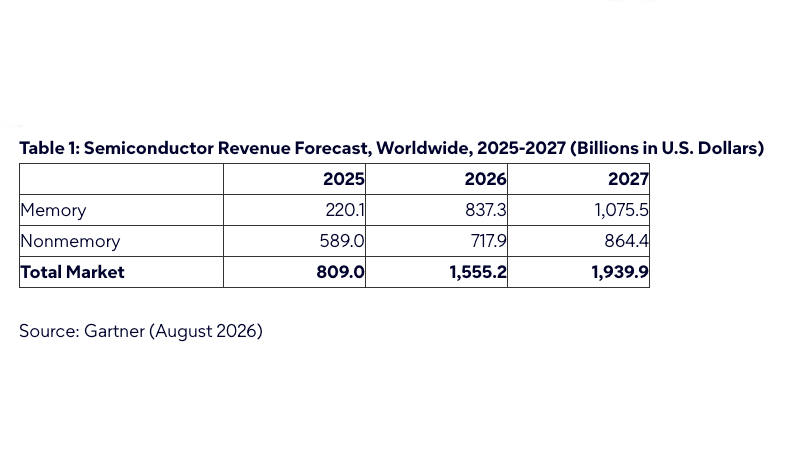
Gartner's latest forecast shows that "global semiconductor revenue is expected to reach US$1.555 trillion in 2026, up 92% from US$809 billion in 2025, and is projected to increase further to US$1.


