
Q4 is expected to see a further 5–10% QoQ increase in production.
The downturn in global smartphone production for 2023 is expected to be limited to less than 3%, with total annual output estimated to reach approximately 1.16 billion units.
Samsung continues to lead the market after recording an 11.5% increase in its Q3 production at 60.1 million units – only 5 million more than apple.
Apple saw its Q3 production climb 17.9% to reach approximately 49.5 million units. However, it had a 1.5% YoY market share decline, with annual production at 2022 levels.
Huawei’s re-entry with its flagship phones is anticipated to significantly impact Apple’s production performance in the upcoming year.
Xiaomi (including Xiaomi, Redmi, and POCO) saw Q3 production jump by 22.3% to approximately 42.8 million units.
Oppo (including Oppo, Realme, and OnePlus) experienced a 15.2% increase in its Q3 output to 38.7 million units.
Transsion (including TECNO, Infinix, and itel) produced 26.5 million units—a 5.6% increase QoQ.
Vivo (including Vivo and iQoo) saw its Q3 production rise to 24.5 million units, marking a 6.5% increase and placing it in the sixth spot.


Stay up to date with the latest in industry offers by subscribing us. Our newsletter is your key to receiving expert tips.

As the memory chip shortage is expected to persist through 2027, independent smartphone and laptop manufacturers are being forced to redesign products, screen incoming chips for counterfeit or substan

Yageo posted year-over-year and month-over-month revenue growth in August, extending its streak of record monthly highs to a sixth straight month. The passive components maker said strong AI-related d
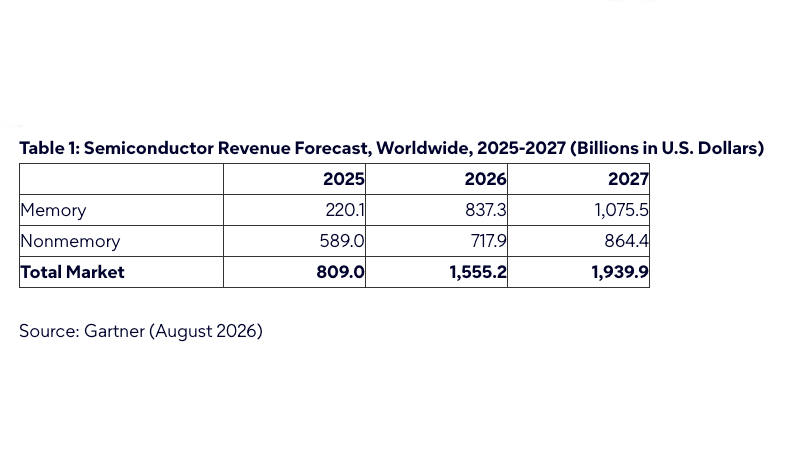
Gartner's latest forecast shows that "global semiconductor revenue is expected to reach US$1.555 trillion in 2026, up 92% from US$809 billion in 2025, and is projected to increase further to US$1.


