Against the backdrop of digital technologies becoming increasingly integrated into industrial development, enterprises are leveraging digitalization and intelligent technologies to continuously transform their business models and operating systems. How to connect business operations through digital technologies, unlock the value of data, and further enhance operational efficiency and innovation capabilities has become a key priority in industrial digital transformation.
The Siemens Realize LIVE Greater China User Conference 2026, themed “Intelligent Drive for the Future,” brought together global industry leaders, technology experts, leading enterprises, and ecosystem partners to explore cutting-edge technologies and practical applications in Industrial AI, digital twins, intelligent lifecycle management, and other areas. Through keynote forums, hands-on training, product showcases, and the Digital Intelligence Theater, the conference showcased the latest practices in leveraging digital technologies to drive industrial innovation.
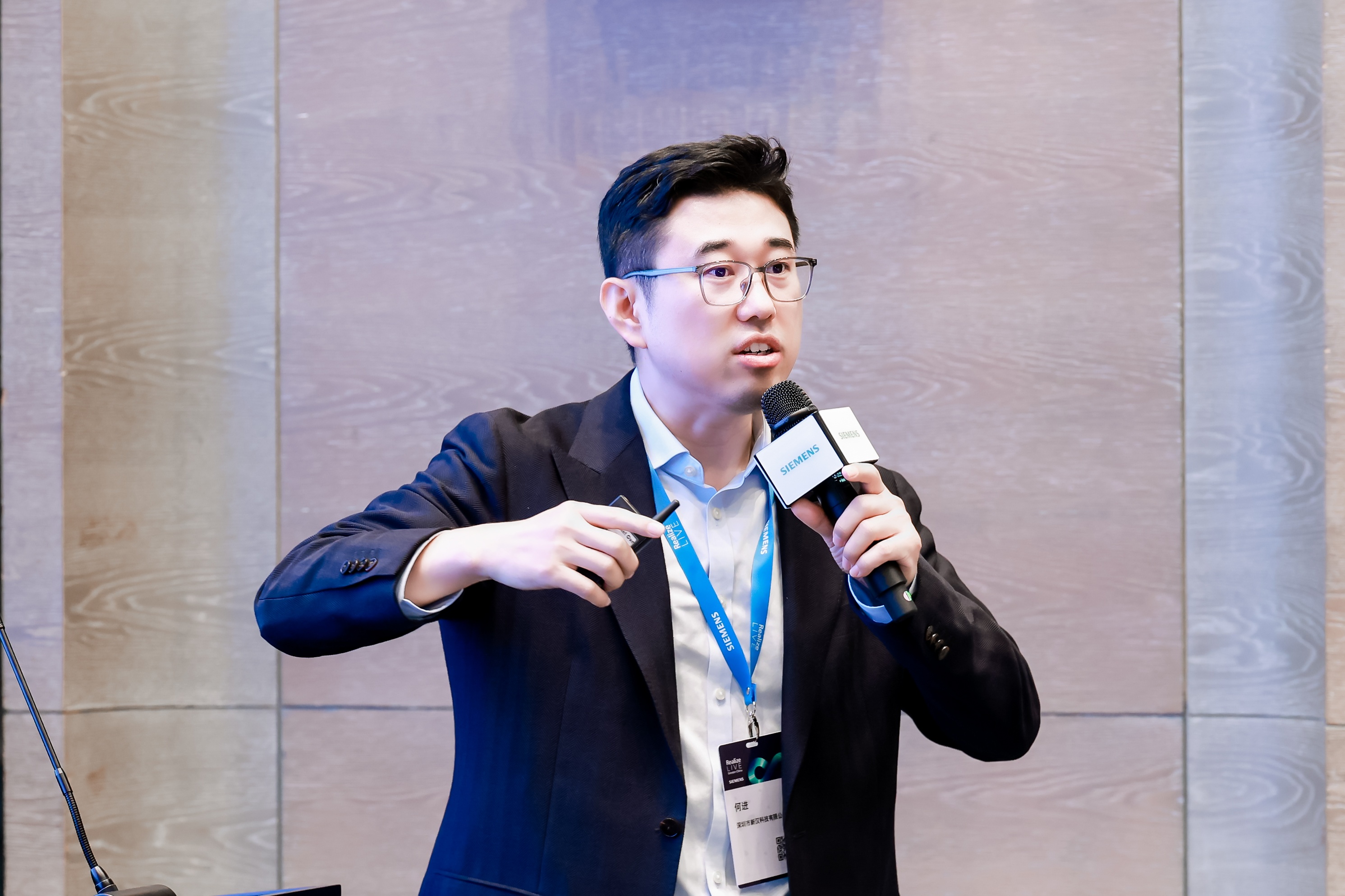
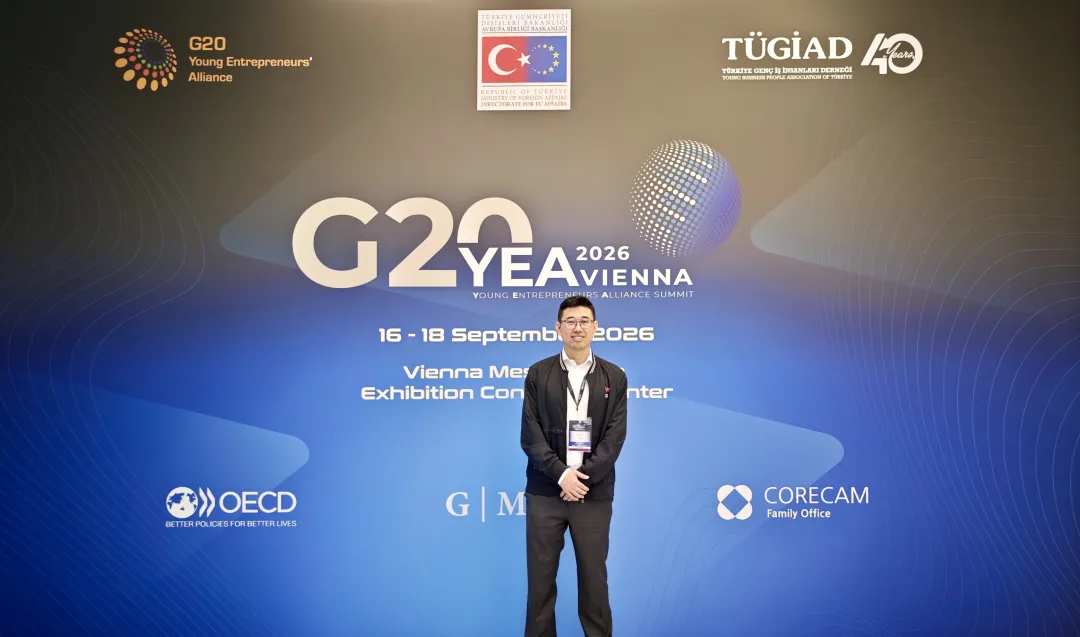
Norman, CEO of Flyking, was invited to participate in the conference and share his perspectives on the globalization of China’s semiconductor industry, the challenges enterprises face when expanding overseas, and practical pathways for SMEs pursuing global growth. He explored how Chinese semiconductor companies can expand from domestic to global markets while progressively building organizational, brand, and supply chain capabilities aligned with international growth.
China’s Semiconductor Industry Is Accelerating Its Global Expansion
In recent years, China’s mainland semiconductor industry has continued to develop, with its industrial ecosystem becoming increasingly comprehensive across mature-process manufacturing, packaging and testing, materials, equipment, and end applications. In particular, the strength and scale of mature-process manufacturing have established a solid industrial foundation for Chinese semiconductor companies seeking to expand into international markets.
As the competitiveness of China’s semiconductor industry continues to strengthen, the market reach of Chinese companies is gradually extending beyond domestic markets. For an increasing number of enterprises, going global is no longer simply about acquiring overseas customers; it has become an important pathway to unlock the value of products and technologies and build long-term global competitiveness.
However, entering global markets also means navigating a significantly more complex business environment. During his presentation, Norman examined the practical challenges Chinese semiconductor companies may encounter throughout the globalization process, including geopolitical and compliance risks, capital security, established perceptions and brand biases in overseas markets, language and cultural differences, brand marketing, localized organizational and talent development, and global supply chain management.
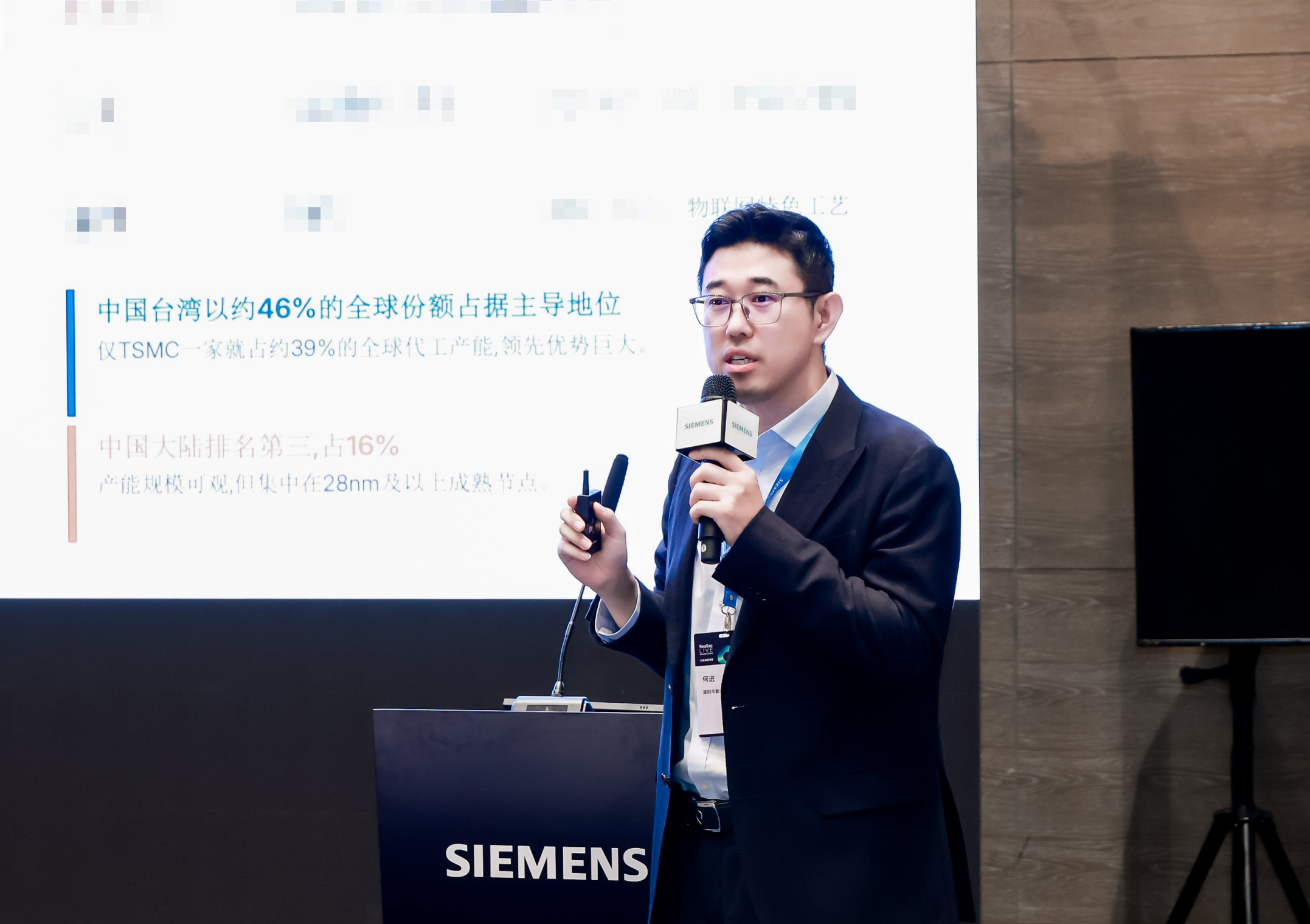
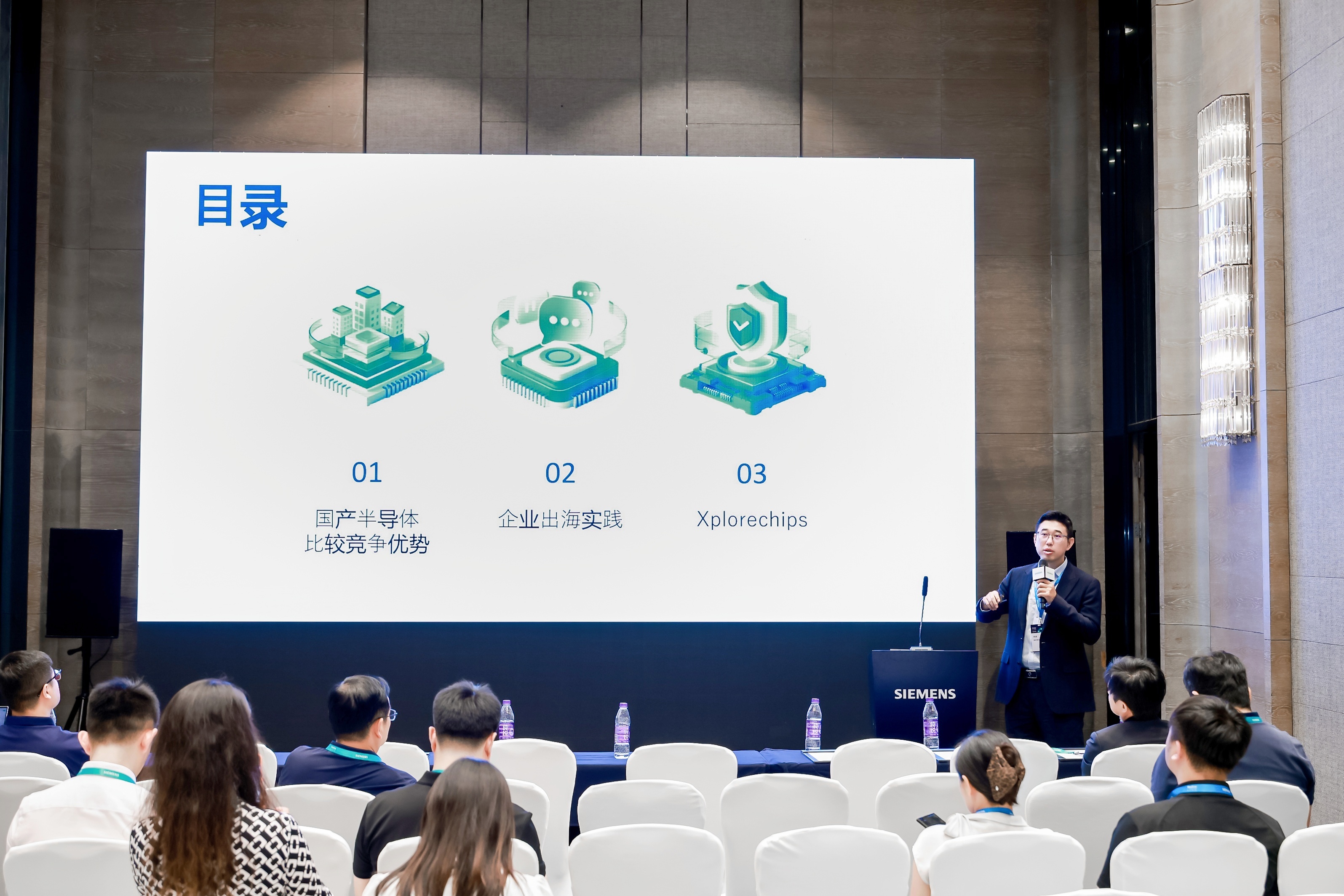
In his view, going global is far more than simply selling products overseas. It is a systematic undertaking involving markets, brands, organizational capabilities, talent, supply chains, and other critical dimensions. For SMEs in particular, carefully determining the right markets, pace, and development priorities based on their own capabilities and resources is essential to building a sustainable global strategy.
To illustrate this process, Norman outlined six stages of globalization: establishing a domestic foundation, initial overseas exploration, channel expansion, localized operations, global brand building, and becoming a global enterprise. Companies can begin by strengthening their domestic business and core capabilities, then explore overseas markets and develop channels before gradually establishing localized operations. As their international business matures, they can further strengthen global brand recognition and ultimately develop an integrated operating model spanning multiple regions and markets—transforming from simply “going global” to becoming a truly global enterprise.
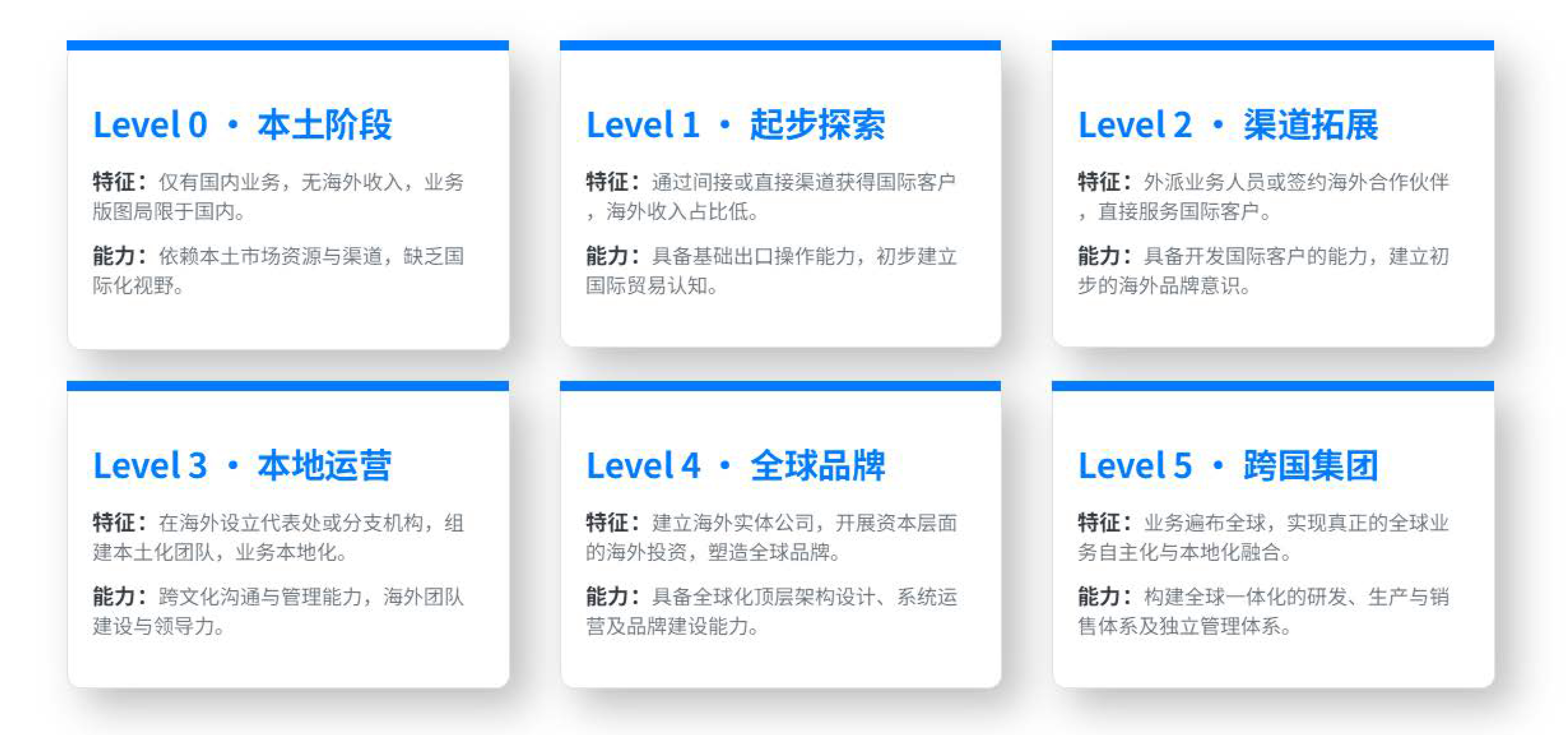
These six stages should not be viewed as a rigid linear path, but rather as a progressive process of building global capabilities according to an enterprise’s development stage, product characteristics, and target markets. For SMEs, identifying an appropriate pace, setting clear objectives for each stage, and continuously strengthening global capabilities through practical experience are critical to managing the risks associated with international expansion.
From Regional Presence to Global Collaboration: Strengthening Flyking’s Global Service Network
As an electronic component supply chain service provider, Flyking is also continuously advancing its global expansion.
The company has established a business presence across Asia-Pacific, the Americas, Europe, the Middle East, and Africa, while continuing to expand its global supply chain resources and localized service capabilities. As its international network develops, Flyking is strengthening its understanding of regional market needs and enhancing customer responsiveness by connecting global supply chain resources with localized service capabilities to provide more market-oriented supply chain support.
For electronic component supply chain companies, globalization means more than expanding service coverage. It also requires stronger capabilities in resource integration, risk management, and rapid response. In response to diverse regional market conditions and customer requirements, Flyking continues to integrate global supply chain resources with digital capabilities, building a more agile and efficient service system to respond to evolving global market dynamics.
Connecting Global Markets Through Digitalization
Looking ahead, the globalization of China’s semiconductor industry will continue to deepen. For enterprises, true globalization is not simply an expansion of market boundaries; it also represents a comprehensive evolution of organizational capabilities, brand influence, supply chain resilience, and digital capabilities.
Digitalization connects businesses. Globalization connects markets. As digital technologies become increasingly integrated with global industrial ecosystems, enterprises need more agile operating models, more efficient data collaboration, and more resilient global supply chains to navigate an increasingly dynamic market environment and build sustainable long-term competitiveness.
Flyking will continue to strengthen its global and digital capabilities, deepen the integration of global supply chain resources, and expand its localized service network. Together with customers and industry partners, Flyking will continue to explore more efficient, collaborative, and resilient models for global supply chain management, providing a stronger supply chain foundation for Chinese electronics companies expanding into international markets.


Stay up to date with the latest in industry offers by subscribing us. Our newsletter is your key to receiving expert tips.
Driven by the continued growth of artificial intelligence, new energy vehicles, smart manufacturing, and other industries, the semiconductor industry is becoming increasingly globalized. From R&D and
In the electronic components supply chain, a shortage of a single component can have a ripple effect across an entire production line. For customers whose products have already completed the design st
A pushbutton may be small, but it can play a critical role in determining whether an entire machine starts, stops, and operates as intended.In sectors such as renewable energy, industrial automation,


