With the rapid advancement of artificial intelligence, edge computing, and the Internet of Things (IoT), cameras are evolving from traditional video capture devices into intelligent vision terminals with capabilities including intelligent recognition, real-time analysis, and interactive control.
Today, AI-powered cameras are widely deployed across smart security, smart home, industrial monitoring, retail, access control, and other applications. Compared with conventional cameras, AI cameras require more than high-definition imaging. They also demand higher computing performance, lower power consumption, and greater overall system reliability.
For product developers, this creates multiple challenges. AI algorithms place increasingly demanding requirements on the processing capabilities of the main controller, while the integration of multiple functional modules adds complexity to power management, wireless connectivity, signal integrity, and system protection. At the same time, supply continuity has become a critical consideration from product development through mass production.
To address these challenges, Kamax, a sister company of Flyking, leverages its extensive semiconductor supply chain resources to provide a comprehensive AI camera solution. Covering the key hardware architecture—from AI processing and power management to wireless connectivity, audio interaction, pan-tilt control, and circuit protection—the solution provides a coordinated component portfolio designed to simplify product development and accelerate commercialization.
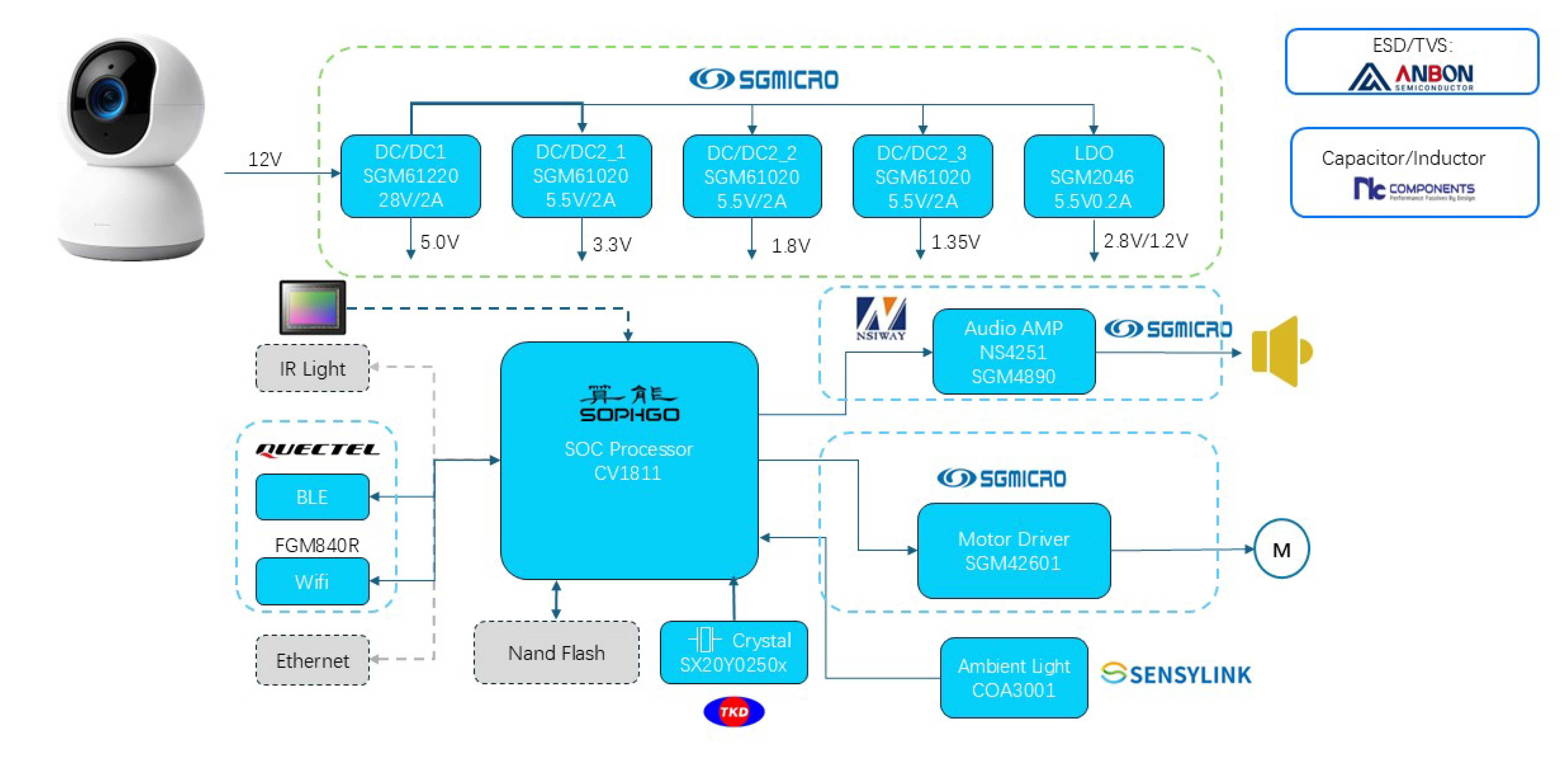
High-Performance AI Processing | Sophgo CV1811 for Intelligent Vision
As the computational core of an intelligent camera, the main processor directly influences video processing performance, AI computing capabilities, and the system's potential for future feature expansion.
The solution adopts Sophgo CV1811 as the core vision processor, providing efficient edge computing capabilities for intelligent camera applications.
Built on a dual-core RISC-V architecture with a maximum clock frequency of 1 GHz, the CV1811 is designed to handle the real-time data processing requirements of intelligent vision applications. Compared with solutions that rely heavily on cloud-based computing, edge-side AI processing can reduce data transmission requirements, improve system response times, and enhance operational resilience in environments with unstable network connectivity.
For image processing, the CV1811 integrates a proprietary ISP and supports multiple image enhancement technologies, including **3D noise reduction (3DNR), wide dynamic range (WDR), and intelligent defogging**. These capabilities help optimize image quality under challenging conditions such as low-light environments, backlighting, and complex scenes.
The chip supports video processing of up to **5MP at 30 fps** and provides efficient video encoding capabilities, making it suitable for applications such as intelligent surveillance, smart doorbells, and home security systems that require both high-quality imaging and real-time analysis.
By combining high-performance computing with advanced image-processing capabilities, the CV1811 enables intelligent functions such as human detection, motion recognition, and environmental analysis, providing a powerful computing foundation for next-generation AI camera products.
Stable and Efficient Power Architecture | SG Micro for Multi-Voltage Power Management
An intelligent camera typically integrates multiple functional modules, including the main processor, image sensor, memory, wireless communication modules, and audio components. Since these modules have different voltage and current requirements, a stable and efficient power architecture is essential for reliable system operation.
The solution uses SG Micro SGM61220 as the front-end power conversion device, converting the input voltage from 12 V to 5 V. Additional DC/DC and LDO devices then generate the 3.3 V, 1.8 V, and other voltage rails required by different system modules.
The overall power architecture supports current requirements ranging from 0.2 A to 2 A, allowing the power configuration to be matched to the load requirements of different functional modules. This helps maintain stable power delivery while improving conversion efficiency and reducing system power consumption and thermal generation.
Comprehensive Peripheral Ecosystem | Enabling Intelligent Connectivity and Interaction
Beyond the core processor and power architecture, an AI camera requires a broad range of communication, audio, sensing, motor-control, and protection components to deliver a complete intelligent experience.
For wireless connectivity, the solution integrates Quectel wireless and Bluetooth modules, supporting network connectivity, data transmission, and interaction with smart devices. Stable wireless communication enables functions such as remote access, real-time monitoring, and mobile-device control, meeting the connectivity requirements of smart home and intelligent security applications.
For audio interaction, the solution incorporates audio solutions from Nsiway or SG Micro, supporting both audio capture and playback. This enables two-way voice communication, an increasingly important feature for smart doorbells, home monitoring systems, and other interactive camera products.
For PTZ-enabled cameras, SG Micro pan-tilt motor driver ICs provide precise motor control for camera movement. Stable motor-driving performance supports horizontal rotation, vertical adjustment, and automatic tracking, helping expand the camera's monitoring range and improve coverage.
The solution also incorporates a range of supporting components, including Sensylink ambient light sensors, TKD crystal oscillators, Anbon ESD protection ICs, and NIC passive components.
Ambient light sensors enable automatic light-level detection and adjustment. Crystal oscillators provide stable timing signals for system operation, while ESD protection devices improve the camera's resistance to electrostatic discharge at key interfaces. Passive components further contribute to power filtering and signal stability.
Together, these components create a comprehensive hardware architecture covering visual computing, connectivity, audio interaction, sensing, motion control, and system protection.
Conclusion
As AI vision technology continues to move toward the edge, intelligent cameras are evolving from standalone video capture devices into integrated intelligent terminals that combine image processing, AI analytics, wireless connectivity, and human-machine interaction.
At the same time, their application landscape is expanding beyond traditional security and surveillance into smart homes, retail, industrial monitoring, access control, and other emerging scenarios.
For product developers, successful commercialization requires more than high-performance core processors. It also depends on coordinated component selection, system-level compatibility, power and signal design, and reliable supply throughout the product lifecycle.
Leveraging its long-established semiconductor supply chain resources, Kamax provides system-level support covering core processor selection, peripheral component matching, solution integration, and supply chain coordination. By combining a broad component portfolio with supply chain integration capabilities, Kamax helps customers reduce the complexity of component selection and procurement coordination while accelerating the transition from design verification to mass production.
Looking ahead, Kamax will continue to focus on intelligent terminals and emerging electronics applications, providing customers with support ranging from individual components to complete solutions and helping accelerate innovation and large-scale deployment across AI vision applications.


Stay up to date with the latest in industry offers by subscribing us. Our newsletter is your key to receiving expert tips.
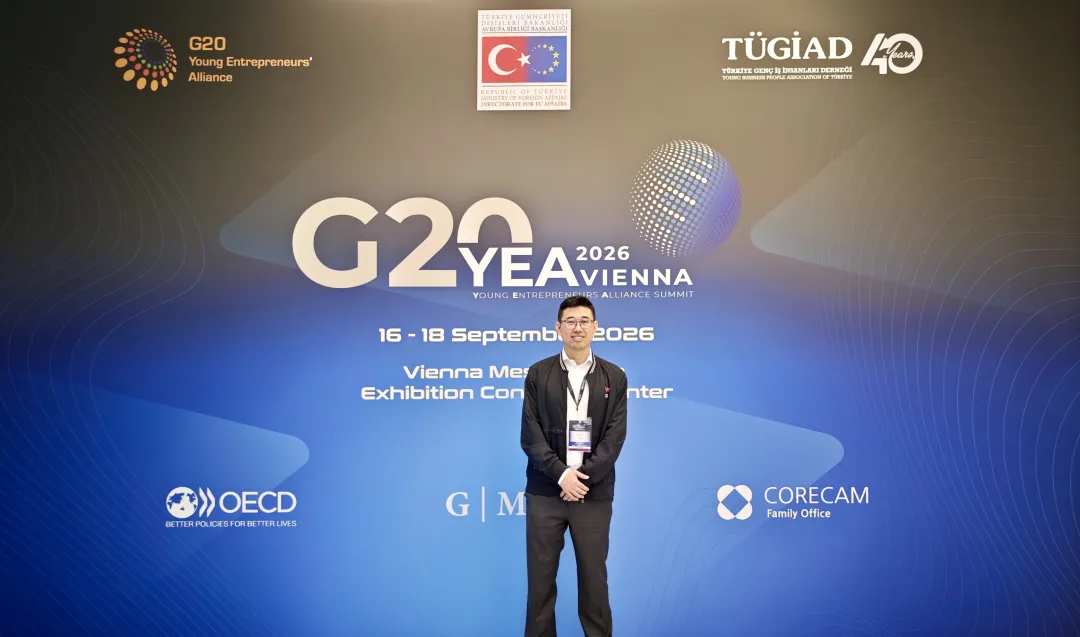
Driven by the continued growth of artificial intelligence, new energy vehicles, smart manufacturing, and other industries, the semiconductor industry is becoming increasingly globalized. From R&D and
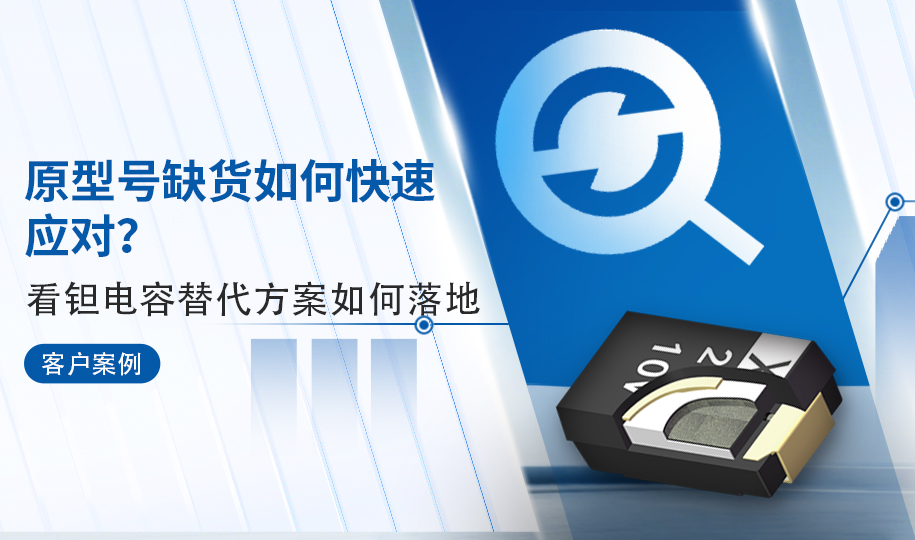
In the electronic components supply chain, a shortage of a single component can have a ripple effect across an entire production line. For customers whose products have already completed the design st
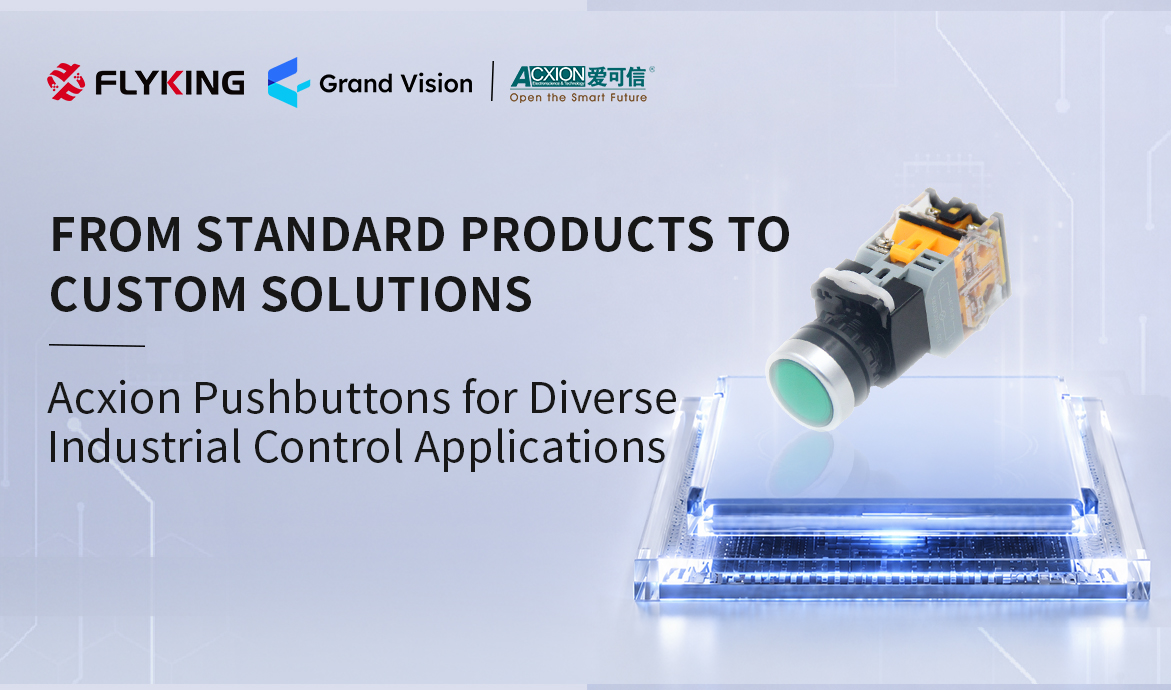
A pushbutton may be small, but it can play a critical role in determining whether an entire machine starts, stops, and operates as intended.In sectors such as renewable energy, industrial automation,


