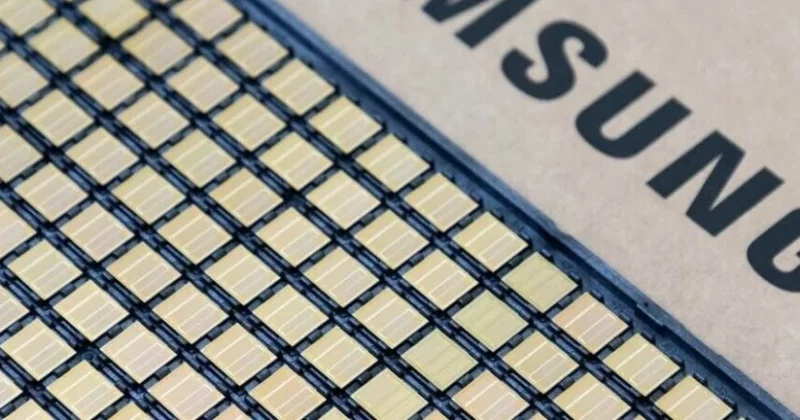
Samsung Electronics is pouring $1.5 billion into a new semiconductor testing plant in Vietnam, with commercial operations targeted for November 2027. The facility, currently under construction at an industrial park roughly 60 kilometers north of Hanoi, will focus on testing mature DRAM and NAND memory chips.
The $1.5 billion investment, equivalent to roughly 39 trillion Vietnamese dong, was outlined in a proposal Samsung submitted to local authorities in April 2026. Construction is already underway.
The plant will test mature DRAM and NAND chips. Testing is one of the final steps in semiconductor manufacturing, the stage where individual chips get verified for functionality and reliability before they’re shipped to customers.
This facility isn’t Samsung’s only recent semiconductor play in the country. The company also announced a phased $4 billion investment in chip packaging and testing facilities in Thai Nguyen province.
Vietnam’s growing role in Samsung’s empire
Samsung is already the largest foreign investor in Vietnam, with cumulative investments surpassing $23 billion and nearly 90,000 jobs supported across the country. The company has been manufacturing smartphones and consumer electronics in Vietnam for years, but the semiconductor push represents a meaningful escalation into chip testing and packaging.
During meetings with Vietnamese Prime Minister Pham Minh Chinh, Samsung has been urged to enhance its focus on semiconductors and artificial intelligence, signaling the government’s support for fostering a semiconductor ecosystem within the nation.
What this means for investors
Samsung is the world’s largest memory chip maker by revenue, so its capacity decisions ripple through the entire industry.
For now, the $1.5 billion plant, combined with the separate $4 billion packaging investment, positions Samsung to control more of its memory chip supply chain within a single geography.


Stay up to date with the latest in industry offers by subscribing us. Our newsletter is your key to receiving expert tips.

As the memory chip shortage is expected to persist through 2027, independent smartphone and laptop manufacturers are being forced to redesign products, screen incoming chips for counterfeit or substan
Yageo posted year-over-year and month-over-month revenue growth in August, extending its streak of record monthly highs to a sixth straight month. The passive components maker said strong AI-related d
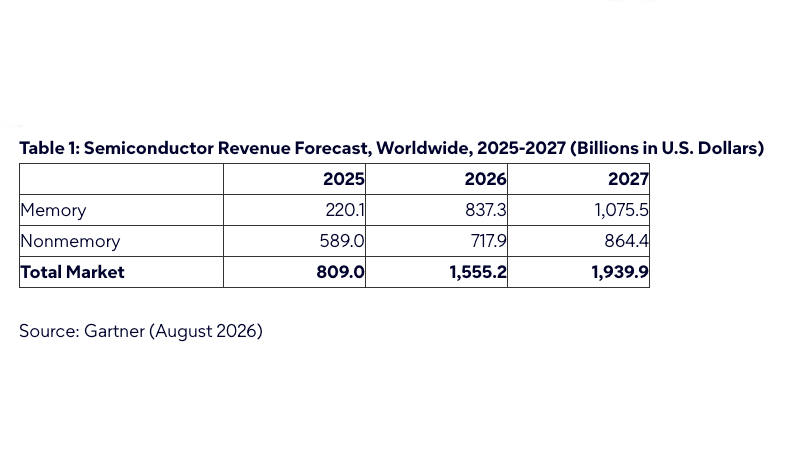
Gartner's latest forecast shows that "global semiconductor revenue is expected to reach US$1.555 trillion in 2026, up 92% from US$809 billion in 2025, and is projected to increase further to US$1.


